
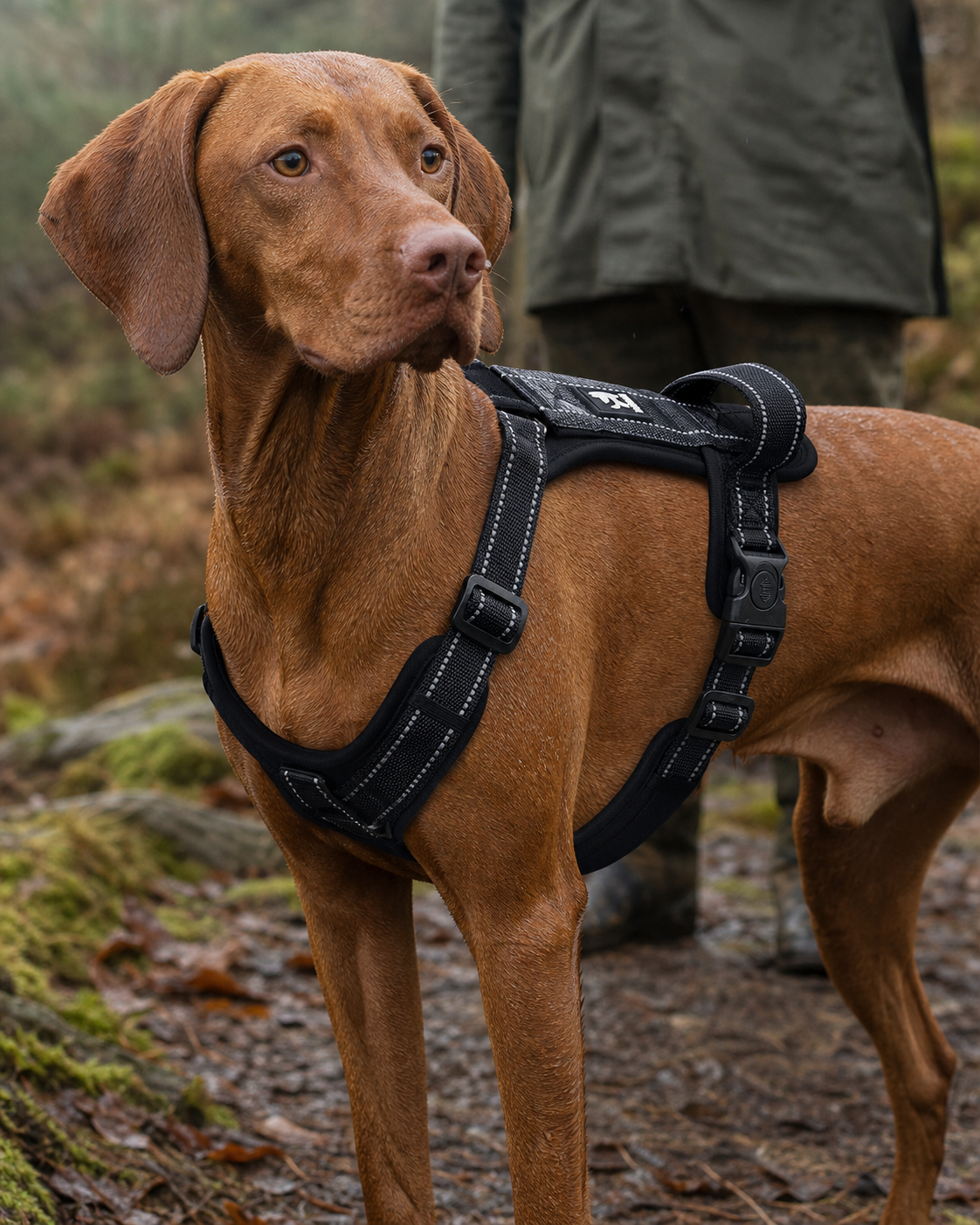
Blickling's Lake Walk in Norfolk is an official National Trust route where dogs must be kept on a lead. Before planning an autumn visit, check the current estate notices: when reviewed on 17 October 2026, the Trust's dog page carried a blue-green-algae warning for the lake. This is a planning guide, not confirmation that conditions will be unchanged on your visit.
The National Trust publishes the route, terrain information and dog policy. Use those sources for the actual directions and latest requirements. We have not walked or tested the route for this article. The accompanying Moorland image illustrates walking equipment; it is not a photograph of Blickling or evidence of current conditions there.
The official route at a glance
The National Trust Lake Walk page lists a 1.8-mile, 2.88-kilometre route with an estimated duration of one hour, starting at Blickling's main car park. It describes grass paths, gates and tree roots, with mud possible in wet weather. Green arrows on white-topped posts mark the route.
The page labels the walk easy, but gives an important accessibility limitation: tree roots on the lake's east side make it unsuitable for pushchairs, wheelchairs or powered mobility vehicles. “Easy” is the publisher's route category, not a guarantee that the terrain suits every visitor or dog.
Keep the distance and time in context. A published estimate does not include your journey, parking, stops or the pace of your particular group. If you need a dependable return time, allow for those parts separately rather than treating the one-hour estimate as the duration of the whole visit.
Read the lake warning before making plans
On 17 October 2026, the official Blickling dog-visit page warned of blue-green algae in the lake and instructed visitors to stay out of the water and protect pets. Do not interpret the presence of a lakeside walking route as permission for a dog to enter or drink from the lake.
Recheck that page before departure and read signs on arrival. A dated article cannot establish whether a warning has been removed, expanded or replaced. If the information is unclear, contact the estate or choose another outing. Bring suitable drinking arrangements rather than relying on natural water.
This is also a reason not to improvise a water-based activity around the walk. The route can be considered as a lead walk on the published paths; swimming or access to the water is a separate question. No item of walking equipment makes a posted environmental warning irrelevant.
Use the lake-specific dog rule
The official Lake Walk page requires dogs to be on a lead. The estate's broader dog page also identifies the lake walk, car parks and areas with livestock as lead-required locations. Apply the rule for the route you are taking, rather than borrowing a more permissive statement about another part of the estate.
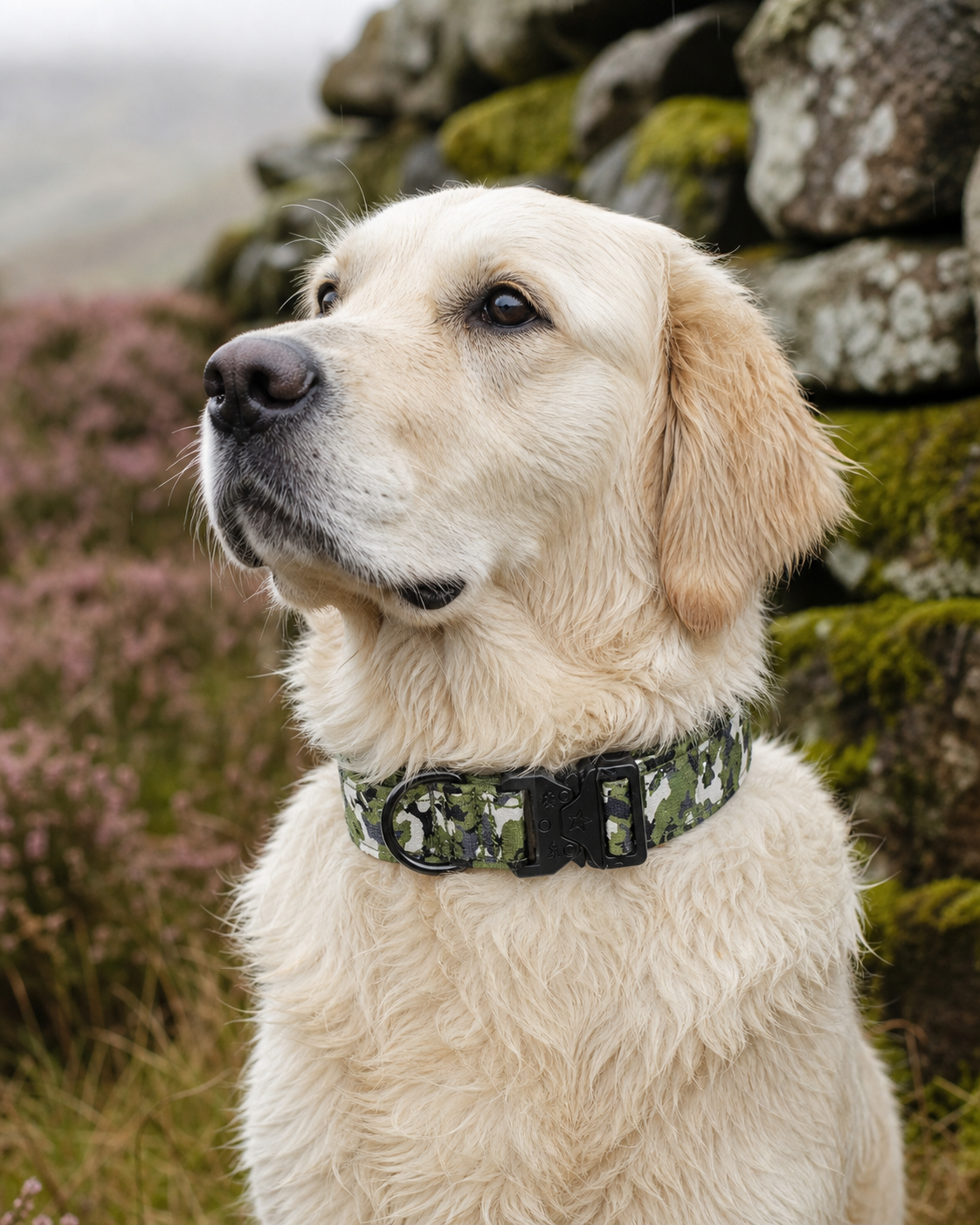
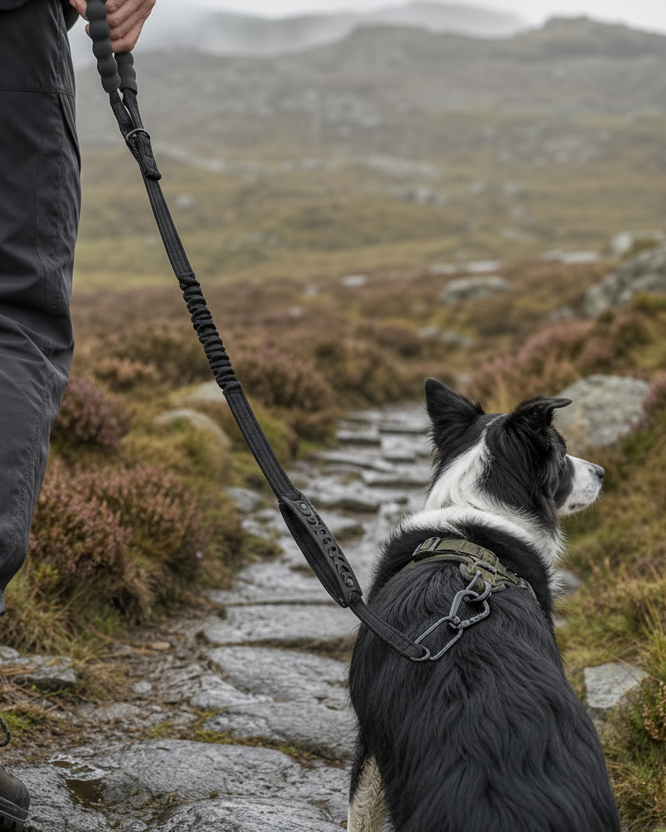
Check the lead and harness or collar you normally use before travelling. Use suitable, well-fitting equipment and follow its instructions. If your dog is difficult to manage around water, other dogs or busy paths, consider whether this visit is appropriate and seek qualified help where needed.
Keep enough space for other visitors and avoid allowing the dog to approach people or dogs without agreement. A popular lakeside route may involve more passing than a quiet local path. The plan should account for that possibility rather than assuming a rural setting will be empty.
Keep the different areas of the estate distinct
The lake walk, wider parkland, formal garden, house and indoor facilities are not one interchangeable dog-access area. The estate's policy can include different rules and time-limited arrangements. Check the current details for each part you intend to visit, especially if you hope to combine the walk with another activity.
Do not plan an indoor visit on the assumption that a dog-friendly estate welcomes dogs into every building. The same caution applies to refreshments. Check the specific location and seating arrangement before relying on it, and have a simple alternative if the space is full or unsuitable.
A useful visit plan can focus only on the route. You do not have to add the house, garden, shopping and a meal to make the journey worthwhile. Separating the main walk from optional extras makes it easier to adjust the day if conditions or your dog's needs change.
Plan the journey as part of the outing
Use the official estate page for current opening information, directions and visitor arrangements. Do not take parking prices, café hours or access availability from an old social post. This article deliberately does not quote fees or promise facilities will be open on a future date.
Check whether the travel time makes sense for the kind of outing you want. A modest walk with a long drive can still be enjoyable, but the dog and driver have needs during the journey too. Plan appropriate breaks and suitable vehicle arrangements separately; a boot liner is not a travel restraint.
Save the destination and route information before leaving. A place name in a navigation app may not identify the correct parking or starting point. Read the official directions and keep the start-point details together so arrival does not depend on guessing at a nearby entrance.
Consider the ground under autumn conditions
The publisher's reference to grass, roots and possible mud deserves more attention than the easy label. Think about your footwear, balance and experience, and about the dog you will be handling. If the ground is wet, allow for a different pace from a dry, hard-surfaced local walk.
Rain before the visit can matter even when the day itself is clear. Check current weather and any estate notices, then assess what is actually in front of you. Do not continue onto a section you cannot manage confidently because a route description sounded gentle at home.
If someone in the group needs an accessible route, use the published accessibility information as a starting point for a direct enquiry. Do not assume that a small alteration will bypass the stated roots or provide an equivalent accessible circuit. A confirmed alternative is better than an improvised promise.
Do not replace the official directions with this article
Open or save the National Trust's current route page and map. Follow the directions and signs available on the day. This article is designed to help you decide whether the visit suits you, not to reproduce every turn or act as a navigation substitute.
If you encounter a diversion, closure or confusing junction, use the current on-site information or ask the responsible visitor team. Do not assume that a path around a lake automatically forms an unrestricted public circuit. The official route and permitted access are the relevant starting points.
Keep your group together at decision points. A person looking at a map should stop somewhere suitable rather than trying to read while managing a lead and passing traffic. Agree who handles navigation and who handles the dog if those jobs need separate attention.
Build the time budget before adding extras
Check that you saved the Lake Walk, not the longer Estate Walk
Blickling publishes more than one route. The separate official Estate Walk document lists a 4.5-mile, 7.2-kilometre route and a two-hour estimate. It is not the Lake Walk described here. A search result containing the same destination name can therefore lead you to a substantially different plan.
Save the complete route title, not just “Blickling walk.” If someone else is arranging the visit, compare the actual links before agreeing a departure time. A household can believe it has agreed on the same outing while one person is looking at the shorter lake circuit and another at the longer estate route.
This is especially important when sharing a navigation screenshot or printing directions. Put the route name at the top of your note and check that the distance, starting point and dog conditions belong to that same source. Do not combine the time estimate from one route with directions from another. If you change routes after arrival, treat it as a new decision with its own conditions rather than a minor extension.
Write down departure, expected arrival, walking window and required return. Add the optional café or garden visit afterwards. This prevents extras from quietly consuming the time intended for the walk and forcing you to hurry through the final section.
For example, a fictional visitor with a ninety-minute drive each way should not describe the day as a one-hour outing simply because that is the published walking estimate. The complete commitment is much larger before parking and stops are included. That may still suit the day, but it should be a deliberate choice.
If the schedule becomes tight, simplify the visit or choose a nearer route. Do not treat the journey already completed as a reason to ignore deteriorating conditions. The time and money invested in arriving do not make the ground, light or dog's comfort more suitable.
Pack a modest, route-relevant kit
Bring the usual walking essentials, suitable drinking arrangements and waste bags, plus the personal items required for the weather and journey. Keep frequently needed items accessible. A cluttered bag can make a simple pause more awkward than it needs to be.
For carrying options, compare your existing bag with the Moorland Multi-Pocket Utility Trail Pack. The right choice depends on your actual load and fit preference. This is not a statement that one pack has been tested on the Blickling route or holds everything every visitor requires.
Carry away waste if an appropriate bin is not immediately available. Do not leave a bag beside the path intending to collect it later. Plan where used items will go without mixing them with clean drinking equipment or other supplies.
Decide what would change the plan
Before leaving, name the conditions that would make you choose another outing: an official closure, a warning you cannot manage appropriately, unsuitable ground, insufficient daylight or a dog who is not comfortable. The list need not be long. It needs to be clear enough to use.
At arrival, take a moment to read notices before starting. If they differ from the saved page, treat the current information seriously and ask for clarification where needed. A screenshot is useful preparation, not permission to disregard a newer sign.
A shorter or different outing is a valid result. You are planning a day with a dog, not collecting proof that a named route was completed. Keep a local alternative in mind so a change does not feel like the entire day has failed.
Questions worth asking the estate
- Is the published Lake Walk currently open in full?
- Are there temporary diversions or ground conditions to consider?
- Does the current lake warning affect any planned part of the visit?
- Which areas and indoor facilities allow dogs on the intended date?
- Is there a confirmed alternative if the published accessibility limits affect someone in the group?
Ask only the questions your visit needs, and check the website first. Keep the answers with the route plan, including the date. Do not generalise a response about one facility or one day into a permanent policy for the whole estate.
After the visit, record your own useful observations
Keep any photographs you take clearly dated in your own notes. They can remind you of the conditions you encountered, but they should not replace a fresh access check for another visit. A dry path in an earlier photograph cannot tell you what recent rain, maintenance or a new notice has changed.
If you go, note the things that would help your own next trip: how long your group actually needed, whether the journey felt proportionate and which practical item you wished you had organised differently. Separate these observations from the official rules, which still need checking again.
A personal note such as “we needed more time for stops” is useful without becoming a universal route review. Your dog, pace and conditions may differ from another visitor's. Avoid presenting one enjoyable afternoon as proof that the route is suitable for every dog or every season.
Plan Blickling's Lake Walk using current official information, not a generic dog-friendly label. Use the National Trust's directions and let current notices and your group's needs decide the day.

Leave a comment
This site is protected by hCaptcha and the hCaptcha Privacy Policy and Terms of Service apply.