
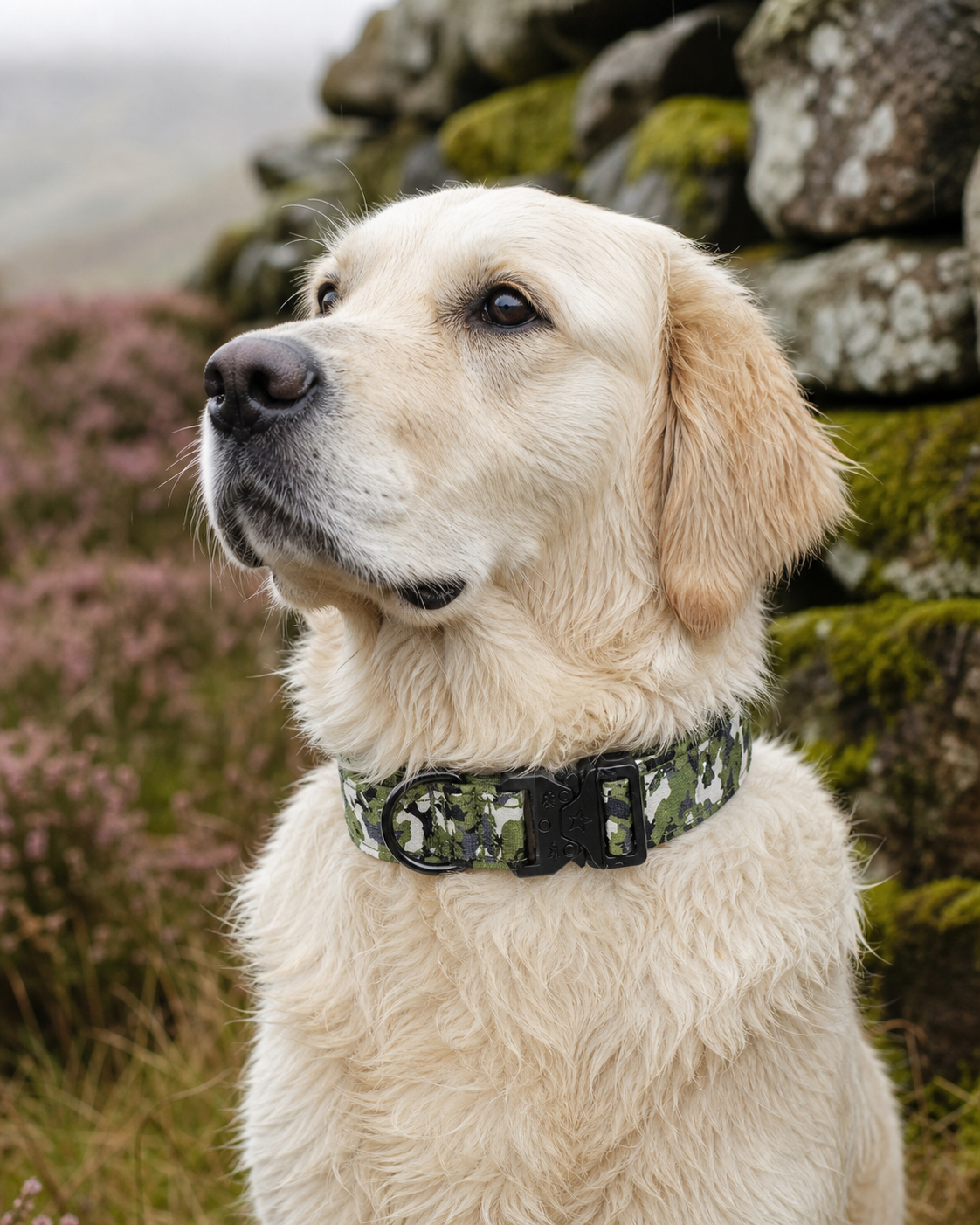
Regular dog walks can create a useful opportunity for human activity and give a dog appropriate exercise and time to explore. Those are related benefits, not identical needs: your fitness target should not become your dog's exercise prescription. Build a routine that suits both of you and is realistic enough to repeat.
The appeal of a big weekend adventure is easy to understand. The quieter value of an ordinary local walk can be easier to overlook. A familiar route can make outdoor time part of a working day, offer a shared activity and give you a reason to leave the desk. You do not need to describe every outing as a transformation for it to be worthwhile.
The human and canine benefits are different
The NHS walking-for-health guidance describes walking as an accessible way to become more active and notes that brisk walking can support stamina and heart health. It also recommends increasing distance gradually if you are not very active. These points concern people; they do not tell you how far a particular dog should walk.
The RSPCA's dog-behaviour guidance includes regular exercise and opportunities for play and stimulation as part of a dog's needs. The appropriate amount and type depend on the individual. Ask your vet if age, health, recovery or a change in behaviour makes the right activity unclear.
A shared walk can serve both needs, but not every moment serves them in the same way. A dog may pause while you would prefer to keep moving. A human may need an accessible surface while a dog is drawn towards a rough verge. A thoughtful routine makes room for those differences instead of pretending one pace suits every participant.
Do not turn the dog into a fitness target
If you want more activity for yourself, keep that goal separate from the dog's needs. A step target, distance challenge or running programme should not automatically determine the shared outing. You can arrange additional activity without the dog where appropriate, while keeping their walks suitable for them.
The same caution applies to comparing your dog with a friend's. A route that works for another household is not evidence that it suits yours. Breed labels, size and apparent enthusiasm do not answer every health or exercise question. Do not push through reluctance or discomfort simply because the map says the loop is short.
Notice changes from your dog's usual behaviour and seek professional advice when concerned. Buying different equipment is not a diagnosis. A routine is useful because it can be adapted to individual advice, not because it removes the need for that advice.
Regularity can begin with less decision-making
A repeatable routine often depends on making departure easier. Choose a familiar starting point, know where the equipment lives and decide who is responsible for the walk. None of these actions guarantees a health outcome. They simply remove practical obstacles that can make ordinary activity difficult to maintain.
Consider the decision you make most often. If you spend ten minutes each day debating where to go, keep two suitable local options ready. If the bag is never packed, create a short check. If family members assume someone else has taken the dog, use a clear handover rather than a vague shared intention.
Start with the smallest repeated obstacle, not a complete lifestyle overhaul. A ready lead and a known route may contribute more to consistency than a complicated plan requiring a different destination every day. The walk does not become less valuable because the first few minutes are familiar.
A local route can have several purposes
You might choose one route for an ordinary weekday, another for a day with more time and a shorter alternative for unsuitable conditions. Each route should meet the dog's needs and any individual advice you have received. The shorter alternative is not a universal minimum; it is an option within your own appropriate plan.
Give the routes descriptive names that everyone in the household recognises. “The paved loop” or “The park entrance and back” may be more useful than an app title. Note the features that matter: crossings, gates, current dog restrictions and places where the path narrows.
Review the route when circumstances change. Roadworks, seasonal access rules or a new household timetable can make yesterday's convenient option less practical. Familiarity is an advantage, but it should not become a reason to ignore conditions you can see.
Give attention its own place
A shared walk is an opportunity to pay attention to your dog and the surroundings. This does not require you to narrate every movement or turn the entire outing into training. It does mean avoiding an arrangement in which the dog is physically beside you while your attention is elsewhere for the whole route.
Decide which phone use is necessary. Navigation or an important call may have a role, but lengthy messaging is a different activity. Stop somewhere suitable if you need to focus on a screen rather than trying to divide attention at a crossing or crowded path.
For a social walk, agree that the dog still needs supervision. Conversation can be part of the pleasure without becoming the reason you miss another walker approaching. Keep introductions consensual and allow space when a dog or person does not want contact.
Make variety modest and useful
Variety does not have to mean a longer journey or more demanding terrain. A permitted turn on a familiar route, a different time when conditions suit or a pause in a suitable place can change the experience. Keep the practical limits clear and check local access requirements.
Do not add novelty to every element at once. A different route, unfamiliar equipment and a new walking companion on the same day can make it harder to understand what is not working. If you are assessing a change, keep the other parts familiar where possible.
You also do not need to escape to the countryside for every outing. A well-chosen local route can be more repeatable than an attractive destination requiring a drive. Choose the location for the actual dog, handler and day rather than treating a scenic photograph as the standard every walk must meet.
Separate motivation from pressure
A friend, shared calendar or familiar departure time can help you remember the plan. Those arrangements should make participation easier, not create pressure to continue when circumstances say otherwise. Agree that a route can change if weather, access or someone's comfort changes.
If you miss an outing or the routine is disrupted, address the practical cause and the dog's needs rather than turning the next walk into compensation through extra distance. An unusually long walk is not automatically the right response to a missed plan. Seek suitable individual advice where necessary.
Be cautious with challenges that reward only mileage or speed. They may be motivating for some people, but they do not measure the whole experience. You can keep a record of consistency or observations without making your dog's day compete with an online leaderboard.
Build a household handover
When several people walk the same dog, shared information matters. Record who is taking the next outing, which equipment is appropriate and any relevant restrictions. If your dog has a veterinary exercise plan, make sure the responsible people know where to find and follow it.
Use a short completion note where helpful. It might say when the walk occurred, whether the usual route was used and anything the next walker needs to know. Do not treat an unexplained change as something to quietly pass along; seek help when needed.
Keep the note practical rather than intrusive. You do not need a detailed record of every sniff or a public post showing the household's schedule. The aim is continuity of care and less uncertainty, not a performance report.
A worked weekday example
Imagine a fictional household in which one adult works from home and another returns later. They both assume the other will arrange the afternoon walk. The problem is not a shortage of equipment or an unsuitable local area. It is unclear ownership of a repeated task.
They agree who is responsible on each day and choose a familiar route with a suitable alternative. The equipment is kept ready, and a brief note confirms completion. Their plan remains subject to the dog's needs and any professional advice, rather than applying a fixed duration because a blog suggested one.
The benefit of the organisational change is directly observable: fewer missed handovers and less last-minute negotiation. They do not claim that the arrangement proves a change in fitness or behaviour. It simply makes an appropriate shared activity easier to maintain.
A worked personal-goal example
Consider someone who wants to become more active and decides to walk briskly. Their dog prefers a slower pace with frequent stops. Rather than pulling the dog through a human target, they separate the two activities: an appropriate dog outing and additional personal exercise that suits their own circumstances.
This is an illustrative decision, not a recommendation that everyone needs two separate outings. The point is that a shared activity does not have to carry every goal. If one participant's needs differ, you can change the arrangement without calling either participant difficult.
A useful question is: “Which part of this plan is for me, which is for the dog, and where do the two overlap?” Writing the answer may reveal that the main conflict comes from an expectation, not from the route itself.
Keep equipment in a supporting role
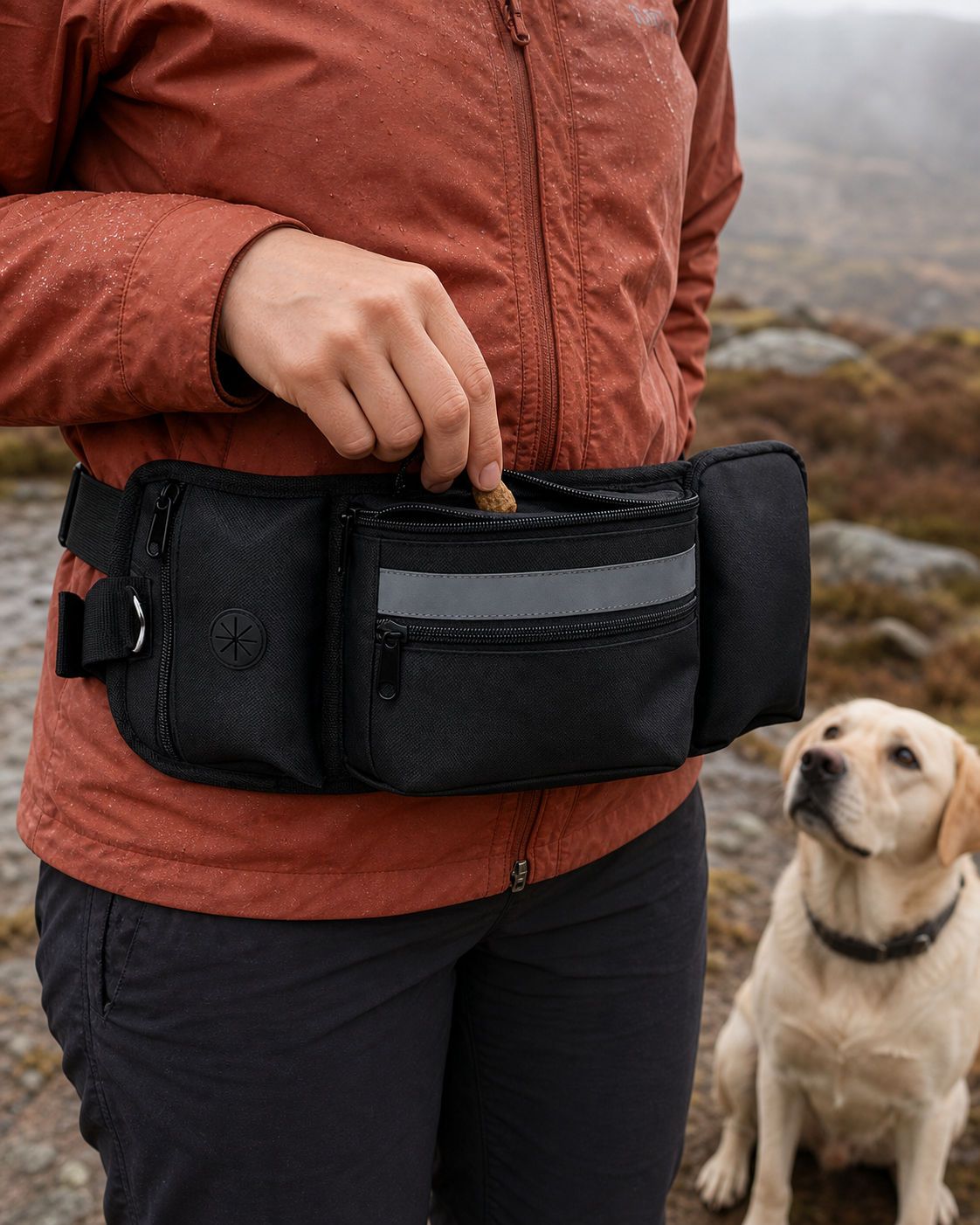
Equipment should make an appropriate outing easier to manage. Check the condition and fit of the items you use, and follow their instructions. A product name such as reflective, bungee or training is not a substitute for understanding how the item works with your dog and normal walking environment.
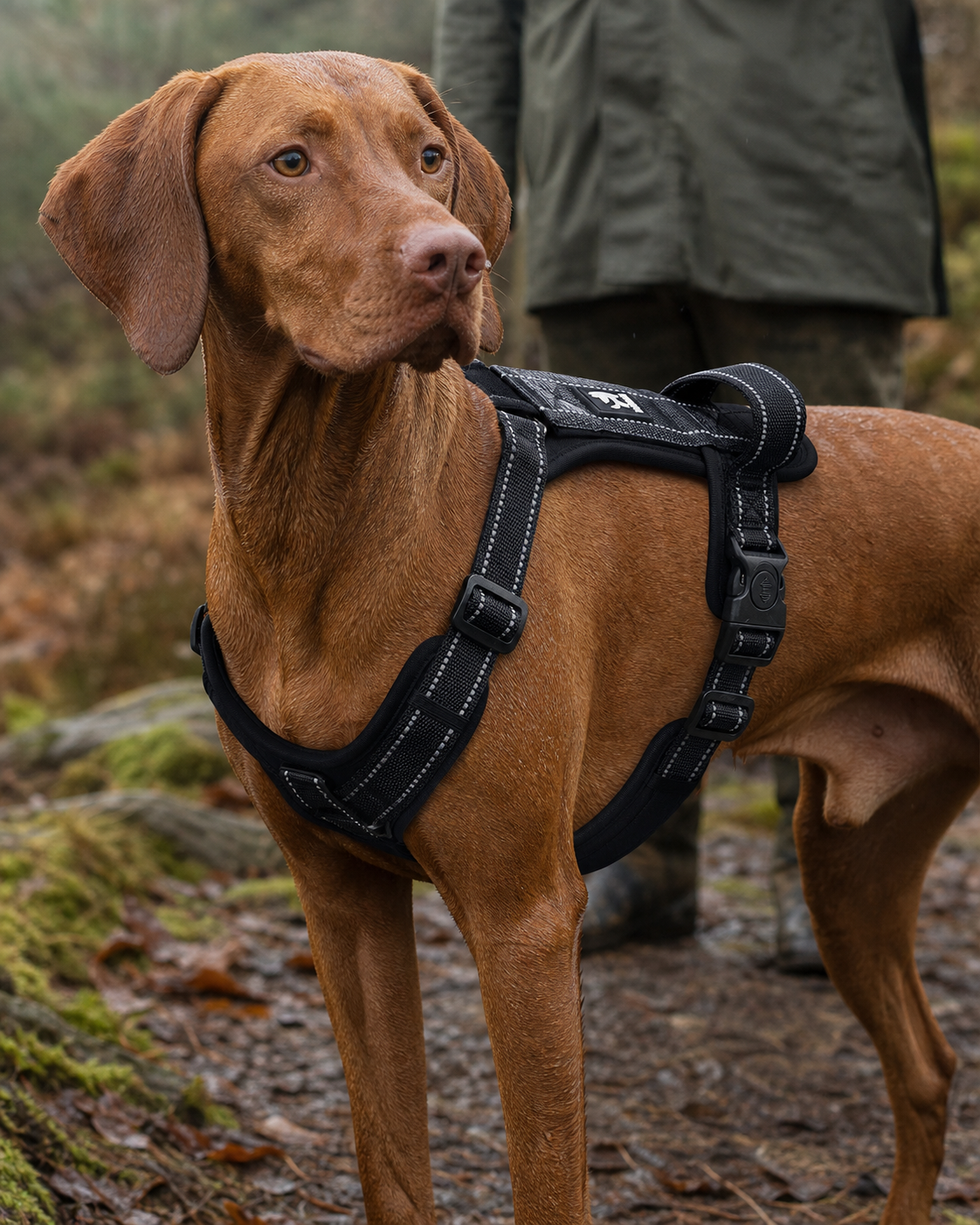
Moorland's All-Weather Reflective Control Harness is one option in the range. Use the exact product size information and our harness measurement guide when comparing it. This article does not claim the harness increases exercise benefits, prevents pulling or guarantees safety.
Before buying, identify the actual gap. If your current equipment fits and is in good condition, the useful improvement may be a clearer routine. If fit or condition is questionable, address that directly. A more consistent habit and a new purchase are separate decisions.
Review what is working after a week
Ask three questions: did the intended walks happen; did the plan suit the people and dog involved; and what repeatedly got in the way? These questions give you practical evidence. They do not require a wearable device or a claim that a short trial demonstrates a health improvement.
Keep one change for the next week. Move a departure time, simplify the packing check or clarify a handover. Avoid expanding the plan simply because the first week went well. A routine earns its value through suitability and repeatability, not continual escalation.
If the dog seems uncomfortable, unusually reluctant or different from normal, do not use the review to justify more exercise. Seek appropriate professional advice. The plan should be responsive to welfare, not designed to defend a target you wrote before noticing a problem.
A useful definition of success
Keep the definition visible where you plan the week. If a proposed change makes the routine harder, ask which problem it is supposed to solve. A new destination can be enjoyable, but it need not replace a local option that already works. Review the plan when your circumstances change rather than assuming improvement always means doing more, travelling farther or carrying additional equipment.
- The activity is appropriate for the dog and the person.
- The route and timing fit the real day.
- Equipment is checked and responsibilities are clear.
- There is room for attention, exploration and changing conditions.
- Human fitness goals remain distinct from canine exercise needs.
- Concerns lead to advice or an adjustment, not pressure to complete a target.
Regular dog walks are valuable because they belong in everyday life. Keep the human and canine needs clear, remove a practical obstacle and choose a plan you can repeat. The ordinary route outside your door may be a better starting point than a dramatic challenge far away.

Leave a comment
This site is protected by hCaptcha and the hCaptcha Privacy Policy and Terms of Service apply.