
Dunstable Downs offers a specific countryside option for dog walkers, but the named 6.5-mile circular route needs a different decision from a short visit near the visitor centre. Choose the outing you actually intend, read the estate's dog rules and assess the full route against the dog and people coming with you. Do not treat “dog friendly” as a complete access or suitability check.
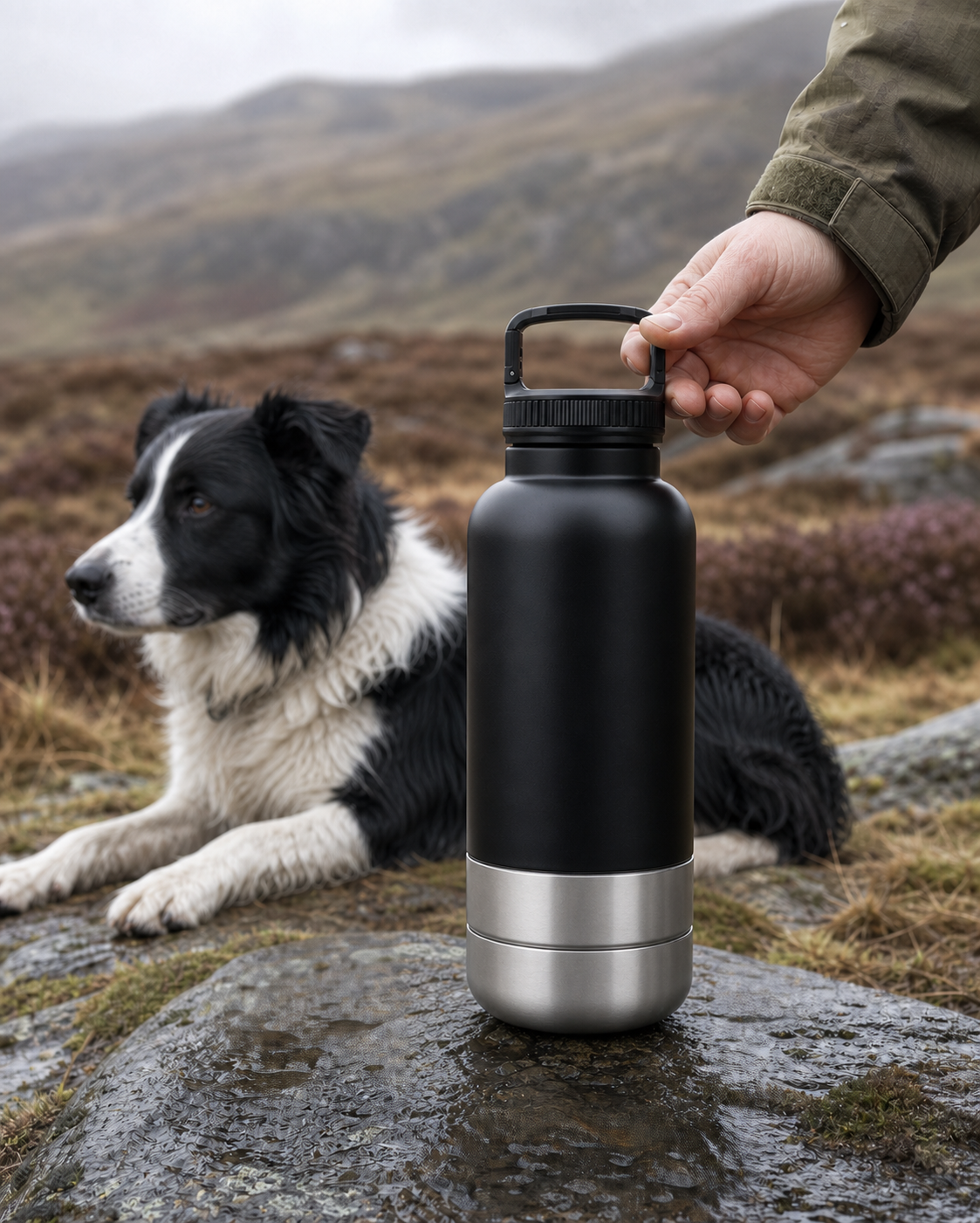
We researched the official National Trust pages on 17 October 2026. We have not visited or inspected this route for the article. The existing Moorland walking image is illustrative and does not depict Dunstable Downs. Use the official route, map, local notices and current conditions for navigation and access decisions.
Know which Dunstable Downs walk you mean
The National Trust's Dunstable Downs countryside walk is listed as a moderate circular route, 6.5 miles or 10.4 km, with an indicative duration of three and a half hours. It starts at the Visitor Centre car park, grid reference TL008195. The description identifies rough terrain, mild gradients and earth paths that can become slippery when wet. It is marked dog friendly. These are published details checked on 17 October, not a report of ground conditions.
Do not confuse that full route with a general visit to the estate. Saying “we are going to Dunstable Downs” leaves a large practical question unanswered. Write down whether you intend the named circular walk or a different officially described visit. If you have not selected a route, say so rather than letting the group assume the longest one is the plan.
Read the estate's dog information before choosing
The official dog-visiting page welcomes dogs in most areas but excludes the marked ground-nesting-bird and kite-flying areas. It requires leads around the visitor centre and car parks, and short leads with space around grazing livestock. It describes water bowls and three dog bins, and explains effective control. Read the full current guidance and signs, including its specific livestock advice, before visiting.
Those rules are not an obstacle to a good day; they define the visit you are deciding about. If your dog needs a setting that cannot meet them, choose another outing. Do not interpret a general welcome as permission to ignore a marked area. Likewise, a dog-friendly label does not mean every indoor space, path or activity will be available to your dog.
Start with the whole group's capability
A moderate label is a broad description, not a judgement about your particular dog, footwear or companions. Ask whether the group is comfortable with the stated distance and the described ground. Include anyone who will manage the dog as well as anyone accompanying the walk. A confident walker and a confident dog handler are not necessarily the same person.
Keep the dog's health and exercise needs individual. Do not choose this route as an ambitious first test for a dog whose appropriate exercise is uncertain. Consult your vet when you need advice about health, age or a change in capability. An online route cannot prescribe the right amount of exercise simply because it is an established walk.
Discuss the human requirements openly too. Someone may need accessible facilities, more frequent stops or a different kind of surface. Read the National Trust's access information and ask the site team about unresolved details. Do not assume that a route described as moderate is accessible to every mobility aid or suitable for every person who can walk the distance on a pavement.
Make the length decision before the journey
A circular route can create pressure to continue once you have started. Study the official map before leaving home and understand what the complete route involves. Do not improvise a shortcut across unfamiliar land because the group becomes tired. If you want a shorter outing, select a suitable official alternative in advance rather than assuming the full route can be reduced anywhere.
Write down the latest point at which you will decide whether to start the full walk. That might be after checking arrival conditions and the current notices. Give everyone permission to choose the alternative without defending the decision. You can enjoy a visit without collecting a full loop or matching an activity app's distance.
Do not combine the route with several other activities simply because they are nearby on a map. Travel, finding the start, taking breaks and returning all use time and energy. Keep the first visit proportionate. If the group enjoys the outing, there will be better information for planning another day.
Think about the ground, not only the mileage
The official terrain description should influence what you ask before going. If earth paths are wet, how comfortable is the group with that surface? Is everyone's footwear appropriate to the current conditions? Can the person handling the dog keep the outing manageable without relying on a product to compensate for poor footing? These are practical questions, not a promise that one item makes a path safe.
Check the relevant forecast and any current site notices close to departure. A photograph taken in sunshine says little about the surface on your planned day. If you arrive to conditions that differ from your expectations, reassess before committing. Turning back is a sensible decision when the outing no longer fits the group.
Keep observations precise. “The path description mentions slippery conditions when wet” is verified information from the route page. “The path will be slippery next Monday” would be an unverified prediction. This distinction matters when you share a plan with friends. Tell them what the source says and what you still need to check.
Agree how the group will handle dog restrictions
Before setting off, make sure the responsible handler understands the local instructions and has familiar, suitable equipment ready. Do not rely on another person to carry the only lead while they wander ahead. The person managing the dog should be able to respond to signs and the actual environment without searching through someone else's bag.
Explain the rules to companions who are not regular dog walkers. They may not realise why you are avoiding an area or pausing to make space. A short conversation at the start prevents pressure later. The group does not need a lecture, but it does need a shared understanding that local restrictions and the dog's needs take priority over a photograph or a shortcut.
If you are unsure how to manage livestock or a new behaviour concern, seek appropriate guidance before making the outing. The National Trust's full page contains specific advice that should not be reduced to a universal one-line rule. This article is not a substitute for tailored professional help or for reading the current official instructions yourself.
Make a map-based plan, not a social-media itinerary
Use the official route page and map to understand the intended start, the shape of the walk and the return. Make sure the information is available in a form you can actually use on the day. A saved link is less useful if you have no reception and have never opened the map. Prepare navigation before reaching an uncertain junction.
Do not use our article's headings as route stages. We have deliberately not reproduced turn-by-turn instructions or claimed that we checked every junction. Conditions, signs and diversions can change. The official source and local notices are the relevant references, and unresolved uncertainty should prompt a pause or a changed plan.
When travelling with others, agree who is navigating and who is handling the dog. One person can do both only if that remains practical. Switching responsibilities is fine when it is explicit. Avoid a situation where everyone thinks someone else is following the map while the group follows the most confident-looking visitor ahead.
Keep arrival and departure straightforward
Check current visitor information for the chosen day rather than copying opening or parking details from an old review. Identify the actual arrival point named in your route plan. If separate cars or public transport are involved, agree a meeting point that everyone can locate and a way to communicate delays.
Give the return journey enough space in the plan. The published walking duration is not a promise about your group's pace, and the day does not end when the route reaches its start. Your dog may need an ordinary quiet transition after travel. Avoid making that transition rushed because you have booked another commitment too close to the walk.
Pack the items your dog normally needs without assuming that a listed facility will answer every practical question. A water bowl on a visitor page does not tell you whether it will be available at a particular moment. Bring suitable supplies and make waste disposal part of the plan. Keep clean and used items organised separately.
Two illustrative choices at the same destination
Consider one group that already takes comparable countryside walks and has read the official route and access information. They check current conditions on arrival and choose the full circular walk because it fits their dog and everyone present. They allow time for pauses and keep the local dog guidance central. This is an illustrative decision, not a report of a Moorland visit.
A second group likes the idea of Dunstable Downs but is unsure about the stated distance and wet ground. They decide not to use the full route as a test. Instead, they research a suitable official alternative or choose a different familiar outing. They have still made a successful plan because they resolved the mismatch before the journey.
Neither group needs to criticise the other choice. The destination has not changed, but the dog, people and day are different. A useful trail recommendation gives you information for that judgement. It does not tell you that everyone should complete the same route to have a worthwhile outdoor experience.
Leave room for a question before departure
If an access detail remains unclear, contact the site through its current official visitor information before travelling. State the specific need and the exact route rather than asking whether the whole destination is simply “easy.” A question about a particular surface, entrance or facility is more likely to produce a useful answer.
Keep that answer with its date. Staff guidance about one proposed visit does not become a permanent rule for every season. Check again when the circumstances change.
What to record after a real visit
If you go, note the actual route, date, conditions and any access information you personally checked. Keep that separate from general impressions. “We enjoyed the visit” is a valid opinion; “suitable for all dogs” is a claim you cannot establish from one outing. Share the official links when recommending it to someone else.
Record practical improvements for your own next trip: perhaps the meeting point was unclear or the time allowance was too tight. Do not automatically solve every inconvenience by buying something. Sometimes the useful change is leaving earlier, choosing a different day or agreeing a smaller plan. Equipment belongs to the decision only when it answers a specific need.
For existing gear questions, our longer dog-walk packing article can help you organise what you already use. Treat it as a separate practical resource, not a required shopping list for Dunstable Downs. The suitability of a route still depends on the current information and the individual group.
Your Dunstable Downs decision questions
- Do we mean the named 6.5-mile countryside route or a different visit?
- Have we read the official route, access details and dog-visiting page?
- Does the described ground and distance fit every member of the group?
- Do we understand the marked dog exclusions and lead requirements?
- Have we checked current notices, conditions and arrival information?
- What would make us choose an alternative before starting?
- Can we use the official map without relying on this article for directions?
Choose the Dunstable Downs outing that fits the actual day, not the version that looks most impressive on paper. Read the specific route and local dog guidance, discuss the group's needs and keep a genuine alternative. A well-judged walk is more valuable than a completed distance chosen for the wrong reasons.

Leave a comment
This site is protected by hCaptcha and the hCaptcha Privacy Policy and Terms of Service apply.