
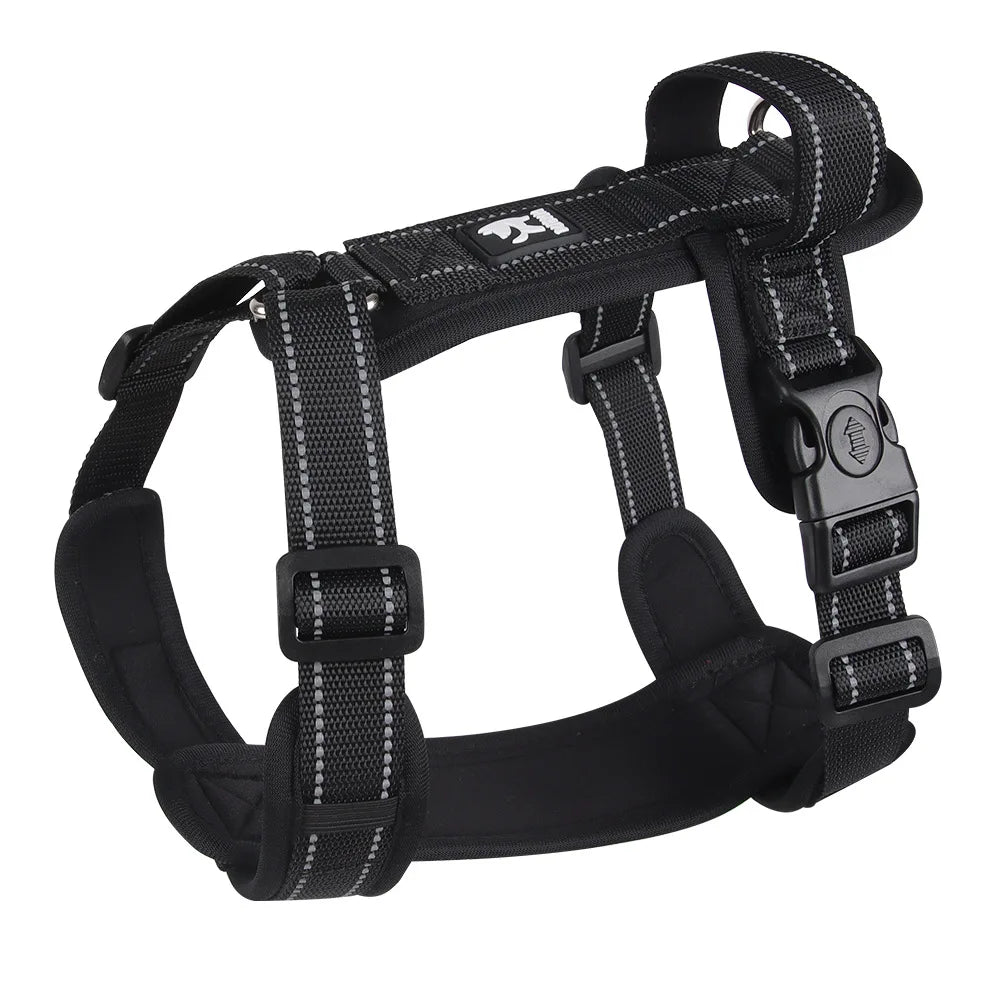
When lending dog-walking equipment, hand over the exact item, the dog it is intended for, its instructions and any condition concerns together. Do not assume another person understands an unfamiliar clip or that a harness fitting one dog will fit another. A clear loan should make responsibilities easier to understand, not transfer uncertainty to the borrower.
There are two different situations: someone walking your dog with your equipment, and someone borrowing an item for their own dog. They need different checks. In the first, the person needs to understand the established setup. In the second, fit and suitability need to be assessed for another dog rather than inherited from yours.
Define what is being lent
Write down the item name and identifying detail, such as colour or size, before handing it over. If several similar leads or harnesses are in the house, a vague instruction to take the grey one may not be enough. Keep the exact item and its information paired.
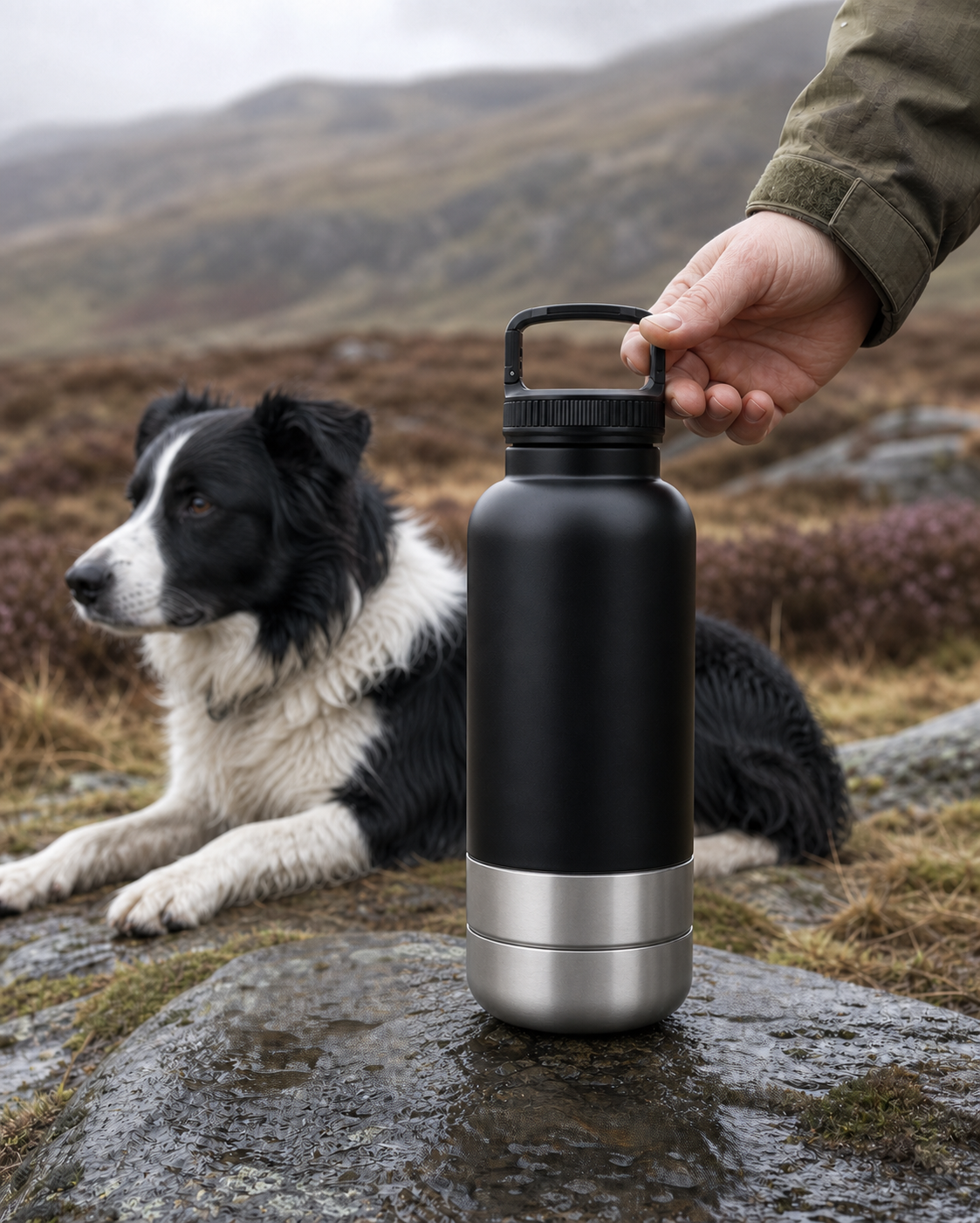
Say whether the loan includes accessories or only the main item. A detachable bowl, pouch or strap can be part of a product's usual arrangement but easy to overlook. Count the relevant components so the borrower is not expected to infer what should be present.
Also say why the item is being lent. A temporary replacement while another item is cleaned is different from a trial of an unfamiliar design. Knowing the purpose helps you decide which checks are essential and when the loan should end.
Separate the two kinds of loan
If a friend is taking your dog out, show the exact equipment pairing and the normal arrangement. The friend should not have to choose a different attachment point or decide which item belongs to which dog. Make the setup explicit before the departure becomes rushed.
If the borrower wants to use the item on another dog, begin again with the relevant measurements, condition and instructions. Similar breed, apparent body size or a familiar size label does not establish fit. Do not describe an item as suitable simply because it worked in your own household.
A loan can be declined or delayed if the required information is missing. That is a useful decision, not a lack of generosity. An unclear arrangement does not become better because both people want the walk to happen immediately.
Check condition together
Look over the parts relevant to the item: straps, seams, clips, attachment points and any moving components. Follow the manufacturer's inspection guidance where supplied. Do not hide a concern in a general statement that the item is probably fine.
Check fit and condition again at the start of the intended walk. A handover does not replace that check, especially if an adjustment or component has changed. The borrower should know where to find the exact instructions and which unresolved concern would stop the item being used.
If a component appears damaged or its suitability is unclear, do not lend it for use until the concern is resolved. Ask the manufacturer or retailer when appropriate. A loan should not become a way of keeping questionable equipment in circulation.
Show the normal setup without improvising
Use the supplied instructions and show how the exact item is ordinarily fitted or assembled. Do not invent a new connection because the borrower has another accessory that looks compatible. A similar-looking clip or ring is not proof of intended compatibility.
Let the borrower identify the relevant parts and ask questions before the dog is ready at the door. A demonstration is more useful when it is not competing with coats, keys and an open entrance. Keep the explanation specific to the item rather than offering a long general lecture.
If the instructions are missing or unclear, resolve that first. You can send the manufacturer's current information where available. Do not assume a video for another model gives the correct procedure for the item being lent.
Keep fit checks with the actual dog
For a harness or collar, use the exact product's guidance and the dog's relevant measurements. Do not transfer a setting from one dog to another. Even when the loan is for your own dog, the borrower should understand that an adjustment may have been changed since the last use.
Moorland's All-Weather Reflective Control Harness should be compared using its own size information. Our harness measurement guide can help organise the measurements. Neither the name nor a previous purchase establishes fit for another dog.
If the borrower cannot confidently apply the instructions, choose another arrangement or seek appropriate help. Do not make the first unfamiliar fitting a hurried experiment immediately before a demanding outing.
Explain the environment, not just the item
Equipment is used in a setting. Tell a person walking your dog about the intended route and relevant restrictions, while keeping the handover proportionate. A lead arrangement used on a wide path may need a different assessment on a crowded pavement or site with a short-lead rule.
If the equipment is being borrowed for another location, the borrower needs to check that location's current requirements. Do not promise that an item meets every venue rule because it worked on your normal walk. Product instructions and site rules answer different questions.
Keep dog-care information separate from product claims. A friend may need to know an established routine or individual professional advice, but a lender should not improvise veterinary or behaviour-treatment instructions simply because they own the equipment.
Make the stop condition clear
Agree what the borrower should do if fit, condition or use is uncertain. The useful answer is not to keep going until the planned walk is complete. They should stop using the questionable arrangement and contact the appropriate person or professional as needed.
For a loan involving your dog, provide an appropriate private contact arrangement and explain where essential care information is kept. Do not place sensitive personal details on a public label. Keep the handover useful without broadcasting the household's information.
For a loan involving another dog, be clear that the borrower must assess their own dog and circumstances. Your experience is context, not a guarantee. A friendly loan still needs an honest boundary around what is known.
Include care and cleaning responsibilities
Agree how the item should be returned: appropriately cared for, dry where required and with all relevant components. Share the exact care instructions rather than expecting the borrower to guess from the material or appearance.
Do not ask someone to use a washing method the manufacturer has not approved. If the item becomes wet or dirty, the correct response depends on the exact instructions. An unfamiliar cleaning product can create a new problem while trying to make the return look considerate.
For a practical care workflow, our harness and lead cleaning guide explains what to check before applying a method. The loan note should point to the relevant item information, not create one rule for every piece of gear.
Agree the return without making it awkward
Allow time for understanding before the departure
If the borrower has never used this design, arrange the handover before the moment they need to leave. They should have time to read the instructions, identify the parts and ask questions. A rushed explanation beside an open door can make someone agree simply because everyone appears ready to go.
Ask them to describe the arrangement in their own words rather than treating silence as understanding. This is a conversation, not a test of their competence. It can reveal a practical difference: they may have assumed a ring is an attachment point, or that a setting is fixed, when the instructions say otherwise. Resolve the specific question with reliable information. If it cannot be resolved, choose another arrangement. A loan that waits is preferable to one whose first use depends on guessing.
Set an expected return date or event, such as after the weekend. A clear agreement can prevent the item being unavailable for your own next outing. If the timing changes, ask the borrower to tell you rather than assuming the loan remains open-ended.
Also agree how to report a problem. A missing component or damaged seam should be mentioned, not quietly placed back in the ready equipment. The next user needs to know the actual state of the item before using it.
This article does not define legal liability or compensation terms. If the item is valuable or the arrangement needs a formal agreement, seek appropriate advice. The practical point is simply to make expectations explicit before a misunderstanding develops.
A one-page loan note
Use fields for the exact item; included components; intended dog and purpose; instructions reference; condition check; unanswered questions; care requirement; and expected return. Add a contact route privately where relevant. Keep the note short enough to read.
Mark missing information as unresolved. Do not turn an empty field into an assumption. If the missing detail determines whether the item can be used appropriately, resolve it before the loan rather than leaving the borrower to discover it outdoors.
A photograph of the item and components can help identify what is being handed over. It should supplement, not replace, instructions and fit checks. Avoid including personal documents or other unnecessary information in the photograph.
An illustrative same-dog handover
Imagine a friend taking your dog for a familiar local walk. You identify the established harness and lead, show the relevant instructions and explain the normal route. The friend repeats the key setup information and asks about a clip they have not used before.
You check the equipment together and resolve that question before departure. The friend knows how to contact you and what to do if the arrangement is uncertain. The handover is complete because the important decisions are explicit, not because the friend has watched a quick demonstration in silence.
This is a fictional example, not a claim that any particular setup is appropriate for every friend or dog. The useful process is identifying the item, checking understanding and keeping uncertainty from travelling with the borrower.
An illustrative different-dog loan
Now imagine someone asks to borrow a harness because their dog looks similar in size to yours. Instead of handing it over with the same settings, you provide the exact size information and instructions. They compare their dog's measurements and find a detail that needs clarification.
The loan waits while they ask the relevant question. It may turn out to be suitable, or they may need another option. The useful result is that appearance did not substitute for fit evidence.
A lender can be helpful by sharing accurate information without declaring the outcome in advance. “This is the item and its stated range” is different from “It will fit your dog.” Keeping those statements separate makes the loan more responsible.
Check it again when it returns
Compare the returned item and components with the loan note. Look over condition and follow the appropriate care requirements before putting it back with ready equipment. Do not assume that a tidy appearance means every check has been completed.
Ask whether any issue occurred during use and record relevant information. A reported concern may need advice before the item is used again. Thank the borrower for mentioning it rather than making a clear report feel like an admission they should hide.
If the item belongs to a shared household kit, let the other walkers know its status. The loan is not finished merely because the object is back in the house. It should be clear whether it is ready, awaiting care or being assessed.
Keep generosity separate from certainty
You can offer an item, help find instructions or explain your own experience while acknowledging what you do not know. That is more useful than making a confident fit or performance claim to avoid disappointing someone.
Likewise, a borrower can decline an unsuitable item without rejecting the gesture. A different product or arrangement may be better for their actual needs. The aim is a useful handover, not ensuring every offered item gets used.
Lend the information with the equipment. Identify the exact item, check it with the intended user and dog, explain the instructions and make the return clear. A small amount of clarity at home is worth more than an assumption discovered halfway through the walk.

Leave a comment
This site is protected by hCaptcha and the hCaptcha Privacy Policy and Terms of Service apply.